Opening Insight
In a world defined by velocity, architecture has the capacity to slow people down. A room can moderate pace, shape perception, and induce presence through proportion, material selection, and sensory balance. Stillness is not an absence of activity; it is a calibrated spatial condition.
Architectural Foundation
Spaces that promote slowness often rely on controlled geometry.
Lower, wider volumes create grounding; taller, narrower volumes encourage quiet verticality.
Diffused natural light softens edges, reducing visual stimulation.
Acoustic absorption dampens sharp sounds, allowing ambient tones to dominate.
Even circulation strategies contribute: a slight compression before entering a larger space prompts pause and awareness.
These techniques align to create environments where physical movement naturally decelerates.
Human Experience
A slow room encourages a shift in sensory hierarchy.
Users notice temperature gradients, subtle textures, the interplay of shadow across materials.
The environment supports focused thought or restorative rest by limiting sensory noise.
People breathe differently in calm rooms—more deeply, more evenly—reflecting the way architecture can influence physiological responses.
Stillness becomes a spatial asset that supports emotional clarity.
Application in Practice
Architects can cultivate slowness through:
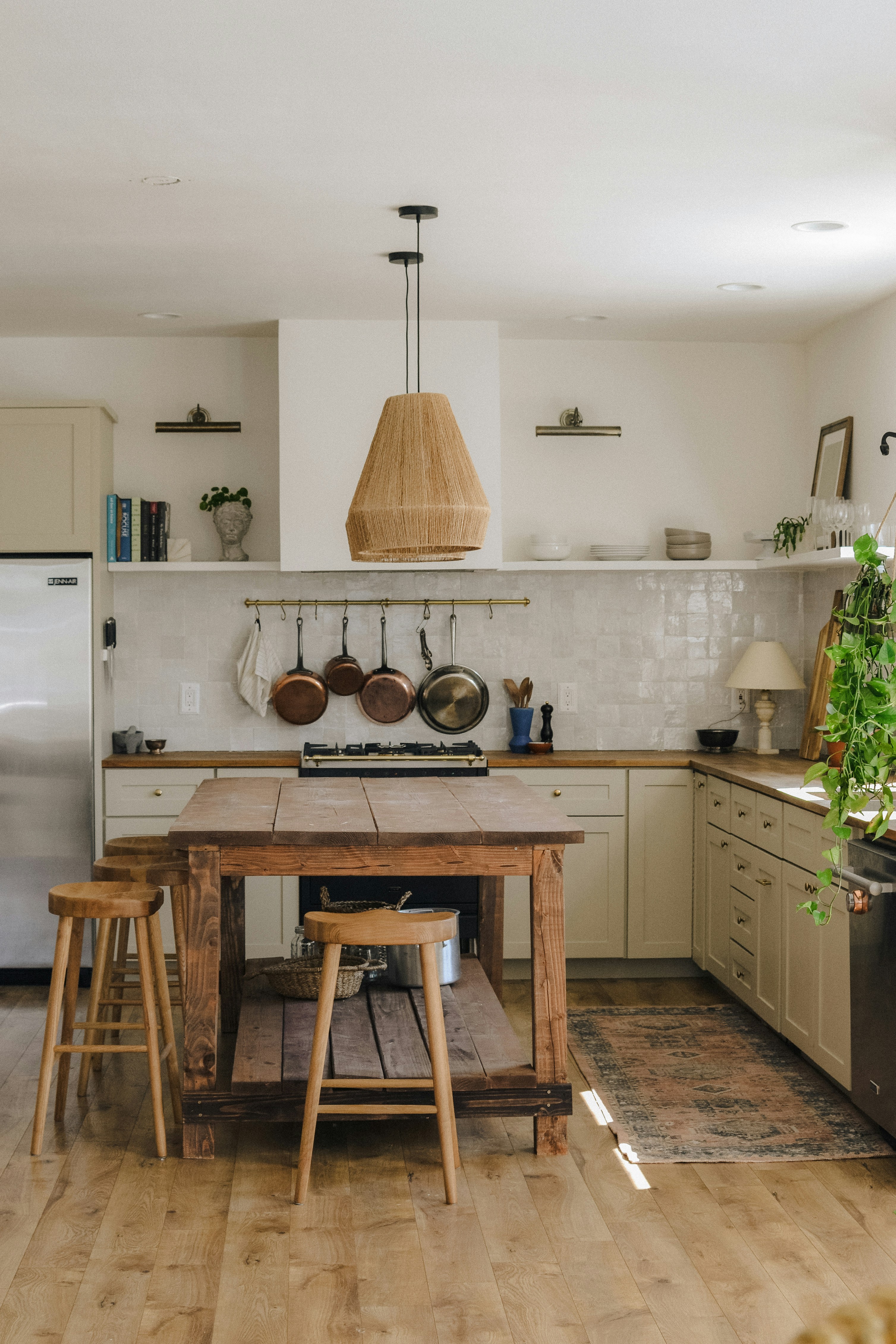
– Reducing glare with muted finishes and indirect lighting.
– Introducing tactility through natural or textured materials.
– Limiting visual clutter via integrated storage and concealed systems.
– Creating layered thresholds that transition occupants from public to private zones.
– Modulating ceiling heights to compress or expand the sense of enclosure.
Across typologies, these methods transform simple rooms into restorative environments.
Closing Reflection
Rooms that slow you down demonstrate architecture’s ability to shape tempo.
By manipulating geometry, atmosphere, and sensory load, designers create spaces where people reconnect with their own rhythm.