Opening Insight
Material honesty is not a stylistic preference but a design philosophy rooted in performance and integrity. It acknowledges that materials possess inherent properties—strength, porosity, texture, aging—that should guide their application rather than be concealed.
Architectural Foundation
Every material carries a structural logic.
Concrete bears compression effectively but resists tension poorly.
Wood expands and contracts with humidity.
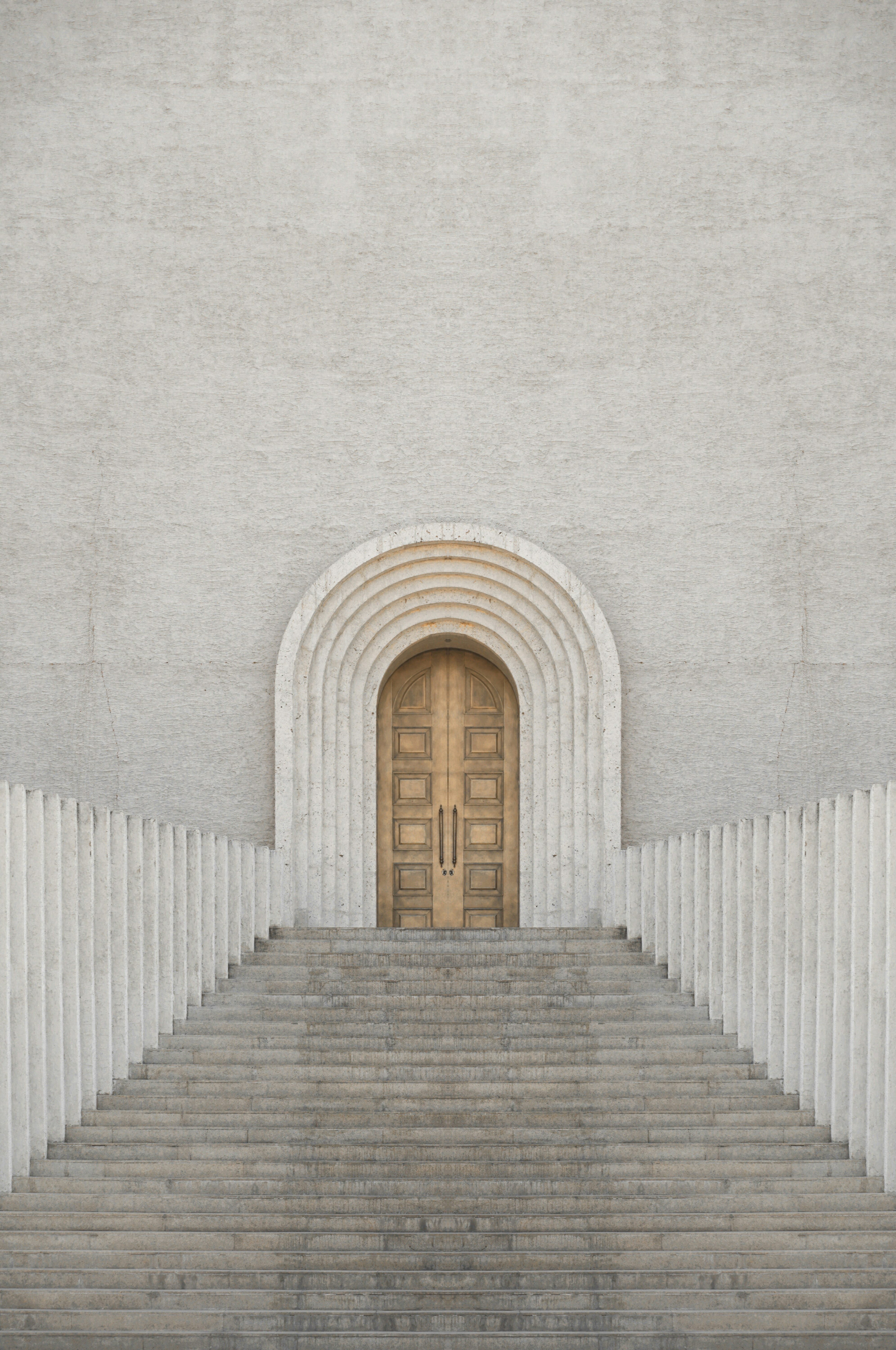
Stone conveys mass and permanence, while metal expresses precision and lightness.
By respecting these properties, architects develop assemblies that function efficiently and age gracefully.
Material honesty also extends to construction details: exposed connections, clear junctions, and legible layers communicate how the building is made.
Human Experience
People respond intuitively to authentic materials.
They sense the warmth of wood, the coolness of stone, the solidity of concrete.
When materials are allowed to behave naturally, they form a tactile and visual language that feels trustworthy and grounded.
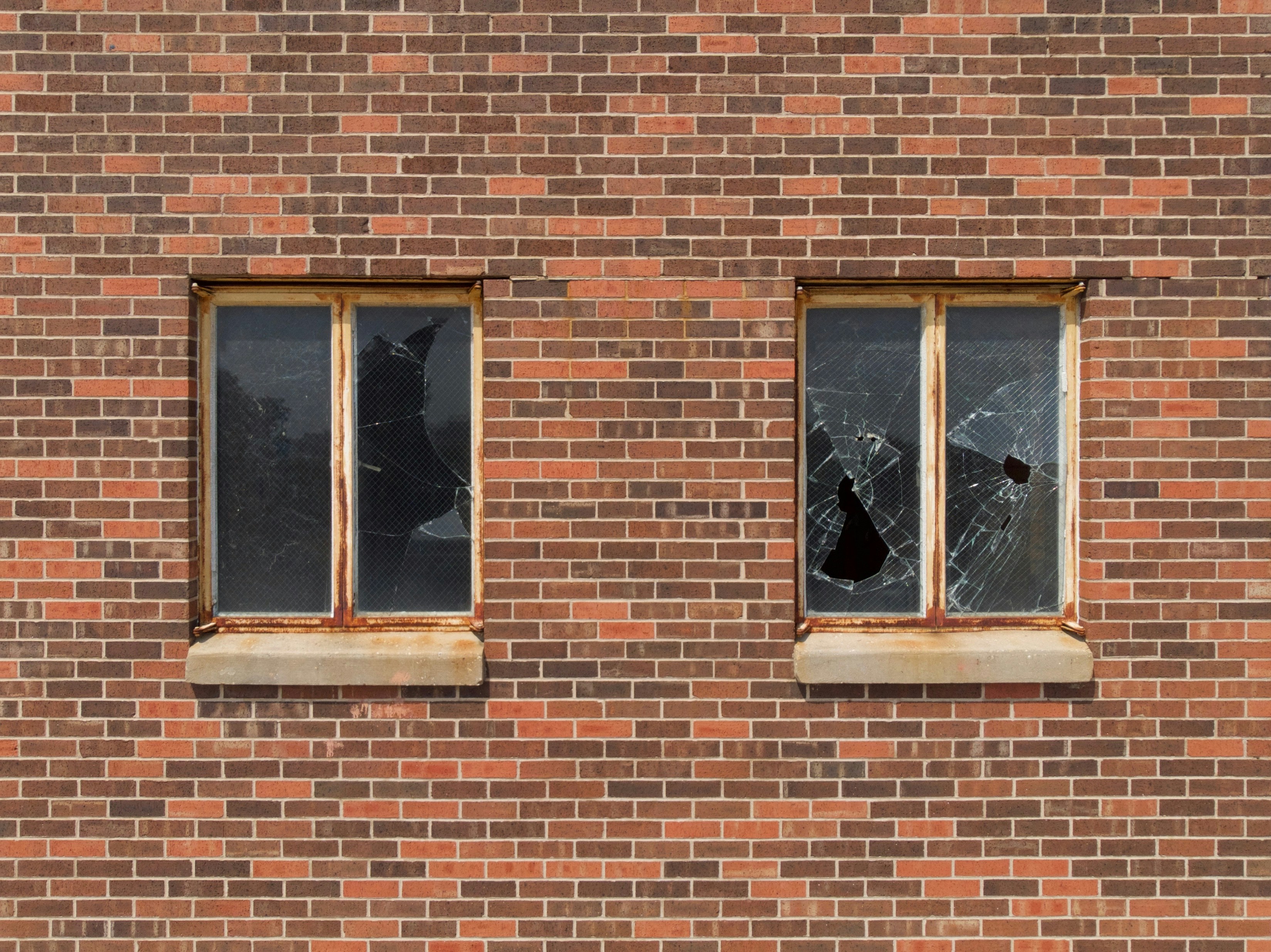
Over time, patina enhances emotional attachment, reinforcing the building’s narrative rather than diminishing it.
Spaces gain authenticity when their surfaces reflect real use and real characteristics.
Application in Practice
Implementing material honesty involves:
– Selecting materials based on performance rather than imitation.
– Using finishes that reveal texture instead of masking it.
– Designing details that express structural behavior.
– Allowing natural weathering to contribute to the design.
– Integrating materials according to their environmental capabilities.
This results in a cohesive architectural system supported by material truth.
Closing Reflection
Material honesty creates buildings that are coherent, resilient, and emotionally resonant. When we design with materials as they truly are, architecture gains clarity and users gain trust in the environment that surrounds them.